%2Ffit-in%2F250x250%2Fusers%2F9e59e069-ed16-40f7-bc5b-963870e0deea%2Fimages%2F45305b6f-1dce-449d-ada6-60e5732ca38b.jpg&w=1920&q=100)
Fresh Tautog Caught on Cape Cod Fishing Charter
Tautog Fishing in Wareham - What to Expect
%2F%2Fusers%2F9e59e069-ed16-40f7-bc5b-963870e0deea%2Fimages%2Fwareham-tautog-fishing-success-2825.jpg&w=1920&q=75)
Fishing Charter by Captain Aris Ochoco in June
- Premier Cape Cod Fishing Charters


Summary
Join a fishing charter in Wareham, MA on Saturday, June for an exciting tautog expedition. This popular bottom-fishing experience targets one of the Northeast's most challenging and rewarding species. Captain Aris Ochoco of Ohana Sportfishing Charters specializes in tautog techniques that help anglers understand habitat preferences and feeding behavior in Cape Cod waters.
Fishing Charter with Captain Aris Ochoco - Rates & Booking
Captain Aris Ochoco of Ohana Sportfishing Charters welcomes anglers to Wareham on Saturday, June for a focused tautog fishing charter. This specialized trip targets bottom-dwelling fish that require specific techniques and knowledge of local structure. The charter emphasizes hands-on learning, allowing anglers to develop skills in tackle selection, drift patterns, and seasonal reading that separate successful tautog anglers from casual fishermen.
To book your fishing charter or inquire about availability and pricing, contact Ohana Sportfishing Charters directly. Captain Ochoco provides guided instruction throughout the day, helping both experienced and developing anglers understand what makes tautog such a rewarding target in Cape Cod waters.
Highlights of Tautog Fishing with Captain Ochoco
Tautog are known for their strong bite and fighting ability, making them an exciting catch for anglers seeking challenge and technique development. The Wareham area offers excellent structure-filled grounds where these fish congregate, particularly around rock formations and debris that provide shelter. Fishing from the charter boat allows you to access prime locations that private boats cannot efficiently reach.
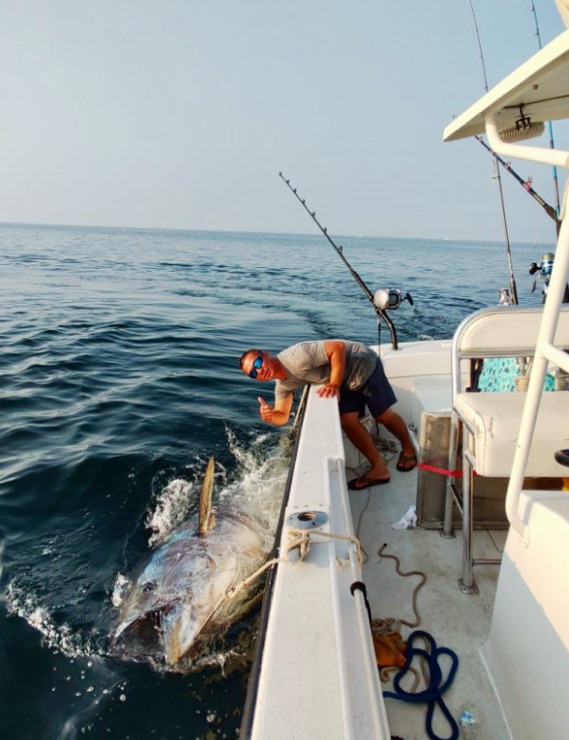
The experience delivers real results - the fresh catch displayed here represents exactly what successful anglers can expect. This isn't luck-based fishing; it's skill-based work where understanding tautog behavior and adjusting to water conditions directly impacts your success rate.
Local Species Insights: Tautog
Tautog, also known as blackfish, are bottom-dwelling fish native to the Atlantic coast that thrive in rocky, structure-rich environments. These fish use strong pharyngeal teeth (throat teeth) and crushing plates to break open hard-shelled prey like crabs, clams, and mussels. Understanding their feeding mechanism explains why bait selection matters significantly - tautog are not aggressive strikers but deliberate feeders that require patience and proper presentation.
The Cape Cod region provides ideal tautog habitat. The complex underwater terrain created by rock formations, wrecks, and natural structure concentrates these fish and creates predictable fishing grounds. Water temperature, tidal flow, and seasonal migration patterns all influence daily fishing success. In June, tautog have moved into their summer feeding grounds after spawning, making them actively aggressive but requiring techniques that account for their bottom-hugging nature.
Tautog fishing teaches important lessons about reading water conditions and adjusting tackle accordingly. The fishing method relies on vertical presentation - dropping weighted rigs to the bottom and maintaining contact with the structure where fish live. This requires attention to detail, including proper weight selection for current conditions, sensitive rod work to detect subtle strikes, and knowledge of which areas hold active fish at different times.
The species' behavior changes throughout the day based on light penetration, tidal movement, and feeding cycles. Successful charter fishing accounts for these variables, shifting locations and techniques as conditions evolve. Captain Ochoco's local expertise helps anglers interpret these patterns and make informed decisions that improve their catch rates.
Plan Your Tautog Fishing Day
A typical tautog charter involves morning departure to target prime feeding times. The boat navigates to structure-filled locations where tautog concentrate, allowing the crew to position for multiple drifts or anchored presentations. Anglers work vertical presentations with appropriate tackle - medium-weight rods, conventional reels, and bottom rigs baited with fresh offerings.
Bring sun protection, secure footwear with good grip for a moving deck, and layers appropriate for Cape Cod's variable weather. The boat provides everything needed for fishing success, though experienced anglers often bring preferred tackle. Most charters accommodate multiple skill levels, though tautog fishing rewards focus and attentiveness throughout the day.
Fishing in Cape Cod: Tautog
Tautog Overview
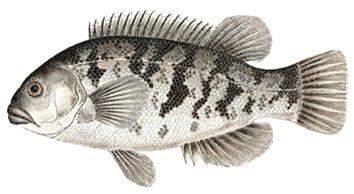
The Tautog (scientific name Tautoga onitis), commonly called the Blackfish, is a remarkable wrasse species belonging to the family Labridae within the order Perciformes. Found along the Atlantic coast from South Carolina to Nova Scotia, this fish is instantly recognizable by its mottled, dark coloring, stout build, and distinctive thick, squared fins. What makes the Tautog truly special is not just its appearance but its aggressive hunting behavior and preference for rocky structures—from Long Island's famous "Blackfish Heaven" to the rocky outcrops near Chesapeake Bay. Whether you're an angler seeking a challenging catch or a marine enthusiast curious about Atlantic coastal fish, the Tautog represents one of the most interesting species to pursue in saltwater environments.
Tautog Habitat and Distribution
The Tautog thrives in structured saltwater habitats, with a strong preference for rocky environments that provide shelter and hunting grounds. Younger fish often inhabit eelgrass beds, but as they mature, they migrate to more complex rocky structures including boulders, jetties, and rocky outcrops. The species is native to coastal areas stretching from South Carolina northward to Nova Scotia, with notable populations in Chesapeake Bay (Maryland and Virginia) and around Long Island, New York. The fish rarely leaves these structured habitats except during seasonal transitions into winter, making them predictable targets for experienced anglers who understand their territorial nature. These fish become increasingly territorial between late April and early August during their breeding season, further cementing their preference for specific rocky zones.
Tautog Size and Weight
Adult Tautog typically range from 1 to 3 pounds in weight, with lengths averaging between 1 to 12 inches for common catches. However, the species can grow considerably larger under ideal conditions. The maximum recorded size reaches approximately 36 inches in length and 28.8 pounds in weight, though such specimens are rare and represent exceptional catches. Most anglers pursuing this species near rocky outcrops and jetties can expect to land fish in the 1- to 3-pound range, which still provides excellent sport and culinary reward. Understanding these size ranges helps anglers select appropriate tackle and set realistic expectations when targeting this wrasse species.
Tautog Diet and Behavior
The Tautog is a carnivorous feeder with a specialized diet centered on marine invertebrates, particularly shellfish. These fish show a marked preference for clams, crabs, barnacles, and mussels—prey that requires the powerful crushing teeth and throat teeth (an extra row designed for grinding shells) that this species possesses. The Tautog's rubbery, slime-coated skin is an evolutionary adaptation that protects them from cuts while hunting among sharp rocks. What's fascinating about their behavior is their dramatic shift between day and night activity. During daylight hours, they actively feed and patrol their rocky territories, displaying aggressive territorial behavior. However, at night, the Tautog become remarkably inactive, often lying motionless on their side in crevices. This nocturnal torpor actually makes them catchable even in darkness—a counterintuitive advantage for anglers willing to fish without light, as artificial illumination may trigger photosensitivity that causes the fish to perceive daytime conditions and retreat into deeper hiding spots.
Tautog Spawning and Seasonal Activity
The Tautog exhibits a highly predictable seasonal pattern that directly influences angling success. Between late April and early August, the species enters its breeding season and becomes even more territorial than usual, defending specific rocky structures with vigor. During this window, a single female Tautog produces approximately 200,000 eggs, which are fertilized and left to develop in the shallow seabed. The larvae drift with currents and take 3 to 4 years to mature into recognizable adult fish. One interesting way to estimate the age of a Tautog is by observing its coloration—younger fish display bright green hues that gradually fade as they age; the duller the green, the older the fish. The species boasts a remarkable lifespan of 34 to 40 years, making individual fish decades-long residents of their chosen rocky habitats. As water temperatures begin cooling in fall, Tautog gradually become less active and eventually retreat into deeper water, making summer and early fall the prime fishing seasons.
Tautog Techniques for Observation or Capture
Technique 1: Strategic Rod Selection and Positioning
Successful Tautog anglers recognize that the challenge lies not in the fish's speed but in its habitat. Using a rod with a sensitive tip but heavy end and mid-section allows you to detect subtle bites while maintaining the strength to extract fish from rocky structures. Position yourself near jetties, rocky outcrops, and boulders, but consider fishing slightly away from the most obvious structures—these popular spots are often heavily pressured. If your line doesn't register a tug within 15 to 20 minutes, relocate rather than persist in an unproductive area. Around Long Island and Chesapeake Bay, veteran anglers often scout secondary rock formations near the main structure to avoid competition and increase bite rates.
Technique 2: Green Crab or Asian Crab Bait Strategy
The highest-success bait for Tautog is fresh green crab or Asian crab. The key to this technique is preparation: snip off the crab's legs and claws, then crush them into dust and disperse this scent around your fishing location. This creates a feeding frenzy response in nearby Tautog. You can hook multiple crabs to increase scent dispersal, but here's the critical detail—this bait setup only remains effective for 4 to 5 minutes before it loses potency. Set a timer and replace your bait after this window expires. This technique separates experienced Tautog anglers from novices, as most don't realize the time-sensitive nature of crushed crab bait.
Technique 3: Vertical Jigging Motion
Rather than relying solely on casting and spinning reels, employ a jigging technique using more vertical motion. By mimicking the natural movements of crabs and shellfish, you trigger the Tautog's predatory instincts more effectively than static presentations. This active engagement approach works particularly well around structure and during peak feeding hours (early morning and late afternoon), increasing your odds of connecting with this challenging species.
Tautog Culinary and Utilization Notes
The Tautog offers good odds for culinary use and is considered a quality table fish in Atlantic coastal regions. The flesh is firm, mild-flavored, and versatile for various cooking methods including baking, steaming, and pan-frying. Due to the Tautog's specialized diet of shellfish, its meat often carries subtle briny undertones that appeal to seafood enthusiasts. The species provides solid nutritional value as a lean protein source, and pursuing it represents a sustainable fishing practice given its abundance in appropriate rocky habitats. Local restaurants in areas near significant Tautog populations occasionally feature the fish on menus, highlighting its cultural and culinary importance to Atlantic coast fishing communities.
Tautog Frequently Asked Questions
Q: What is the best bait for catching Tautog?
A: Green crab and Asian crab are the gold-standard baits, particularly when prepared by snipping off legs and claws, crushing them into dust, and dispersing the scent around your fishing location. This bait triggers feeding frenzies but remains effective for only 4 to 5 minutes, so timely replacement is essential. Live fiddler crabs and small clams also work, but crushed crab dust provides the highest success rate for consistent catches.
Q: Where can I find Tautog near Long Island or Chesapeake Bay?
A: Target rocky outcrops, boulders, and jetties in these regions. Long Island's famous "Blackfish Heaven" and the rocky structures surrounding Chesapeake Bay consistently hold Tautog populations. Scout secondary rock formations away from the most obvious structures to find less-pressured fish. Jetties and breakwalls near Maryland and Virginia shore access points frequently produce excellent results.
Q: Is Tautog good to eat?
A: Yes, absolutely. Tautog offers firm, mild-flavored flesh that is versatile for cooking. Baking, steaming, and pan-frying are all excellent preparations. The fish's shellfish-based diet imparts subtle briny undertones that many seafood enthusiasts appreciate. It's considered a quality table fish throughout Atlantic coastal regions and represents a sustainable protein source for recreational anglers.
Q: When is the best time to catch Tautog?
A: Late April through early August is peak season when Tautog are most active and territorial during breeding season. Early morning and late afternoon hours produce the most consistent feeding activity. Interestingly, night fishing can be productive since the fish become inactive and less responsive to light, though this requires skill and patience. Avoid fishing during active light hours with artificial illumination, as photosensitivity may drive them into deeper hiding spots.
Q: Why do I keep losing tackle in Tautog habitat?
A: Tautog inhabit rocky structures—boulders, outcrops, and jetties—that readily snag and break lines and nets. Use rods with sensitive tips but heavy mid-sections and ends to handle the structures. Position yourself strategically near rocky areas rather than directly on top of them. If you're consistently losing tackle, switch to slightly deeper or adjacent areas where Tautog still roam but rock density is lower.
Q: How can I tell if a Tautog is old?
A: Observe the fish's coloration, particularly the green hues. Younger Tautog display bright, vibrant green coloring, while older fish show increasingly duller, faded green tones. The less bright the green appears, the older the fish. Since Tautog can live 34 to 40 years, significant color fading indicates a veteran resident of its rocky habitat, potentially carrying decades of experience in evasion.